The Wild Yam Hormone Myth: Why This Popular Claim Doesn't Hold Up
Wild Yam's popular reputation as a hormone-boosting ingredient comes from a laboratory chemistry process that has nothing to do with what happens when a person actually swallows it.
This is one of the most repeated myths across the entire supplement industry, not something specific to any single product.
Where the claim comes from
Wild Yam contains diosgenin, a plant steroid compound. In a laboratory, chemists can convert diosgenin into DHEA, progesterone, and other steroid hormones through a multi-step synthetic process. This lab chemistry is real and well documented — it's actually part of the pharmaceutical industry's history of producing hormone medications.
Why that doesn't apply to your digestive system
What the actual evidence shows
There is no credible clinical evidence that supplementing with Wild Yam directly raises DHEA, testosterone, or progesterone levels in the body. This gap between lab chemistry and biological reality is well recognized among researchers who study botanical supplements.
Why the myth persists anyway
The connection between diosgenin and steroid hormone manufacturing is a genuine, citable fact — which makes it an appealing detail for marketing copy, even though it describes laboratory chemistry, not what happens after supplementation.
Is Wild Yam worthless, then?
Not necessarily worthless — it's a legitimate traditional botanical with its own history of use. The issue is specifically the hormone-boosting claim, which doesn't hold up, not necessarily every possible benefit of the plant.
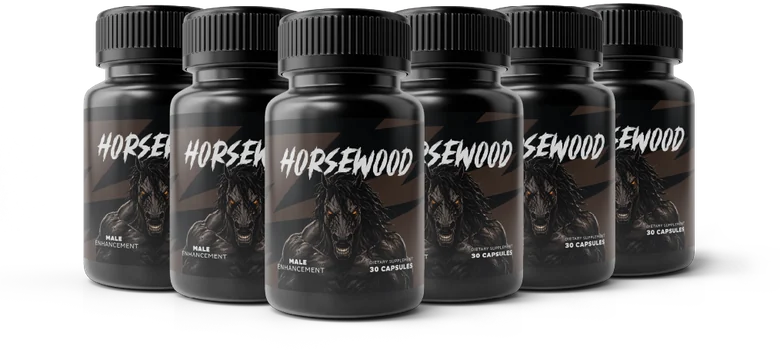
Applying this to HorseWood
Wild Yam is one of HorseWood's seven ingredients. Treat its inclusion as a traditional-use botanical, not a source of the hormone-boosting effect its reputation implies.